Mastering Color and Blending in Marker Art
Color is the heartbeat of any illustration. In marker art, understanding how colors interact, blend, and layer is crucial to creating dynamic and visually engaging pieces. The ability to control color transitions allows artists to convey mood, depth, and texture effectively, making each illustration more compelling.
Choosing the Right Colors
A thoughtful color palette sets the tone of your artwork. Consider:
- Analogous Colors: Colors next to each other on the color wheel create harmony and subtle transitions.
- Complementary Colors: Pairs of opposing colors add vibrancy and contrast.
- Monochromatic Schemes: Variations of a single hue can produce a cohesive and elegant effect.
Techniques for Smooth Blending
Blending is where marker art truly comes alive. Effective blending can turn flat shapes into lifelike forms. Methods include:
- Layering Lightly: Gradually apply colors from light to dark, allowing layers to merge naturally.
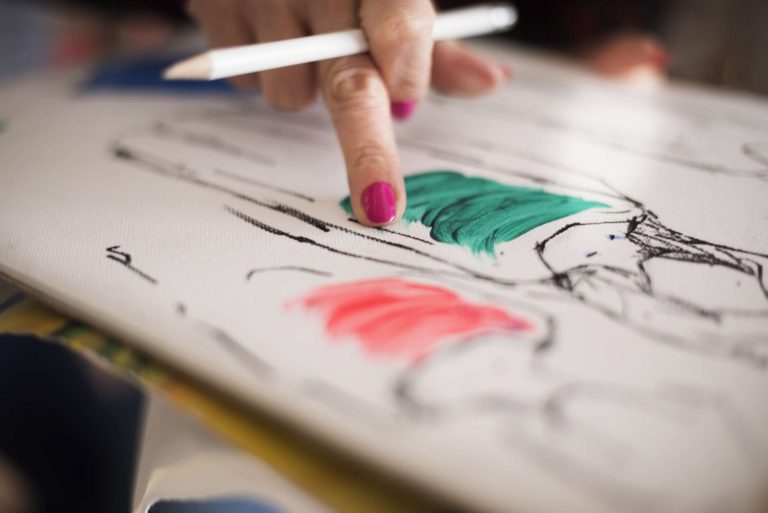
- Feathering: Use soft, overlapping strokes to create smooth gradients.
- Color Mixing: Combine two or more markers to achieve subtle transitions and richer tones.
Adding Depth and Dimension
Markers can create the illusion of three-dimensionality when used thoughtfully. Focus on:
- Shadows and Highlights: Observe how light interacts with objects and replicate it using darker and lighter tones.
- Texture: Small, intentional strokes can mimic surfaces like fabric, hair, or wood grain.
- Perspective and Form: Adjust line thickness and color intensity to suggest distance and volume.
Experimenting Without Fear
The beauty of markers lies in their immediacy. Unlike digital tools, markers provide instant feedback, encouraging trial and error. Mistakes often lead to unexpected discoveries, helping refine your technique and inspire creative solutions.
By mastering color selection, blending techniques, and depth creation, artists gain the ability to make their illustrations more vivid, expressive, and full of life, turning simple sketches into fully realized visual narratives.