
From Sketch to Masterpiece – Structuring Your Marker Workflow
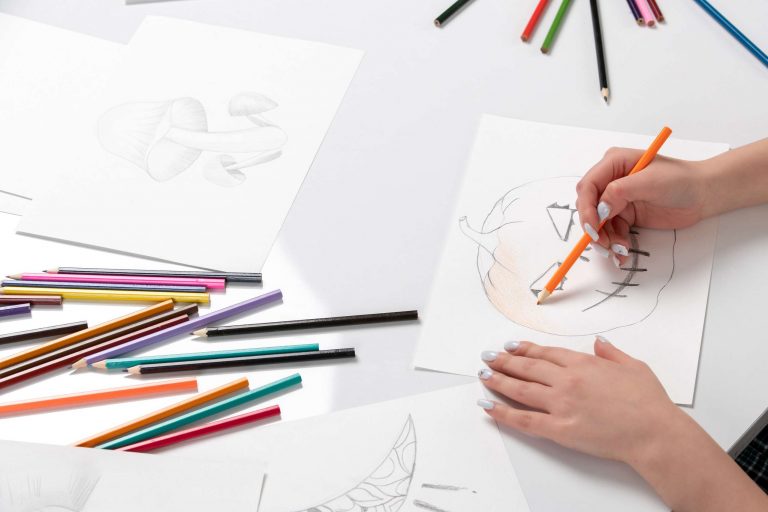
Creating compelling marker illustrations requires more than talent alone; it requires a structured workflow that transforms ideas into finished pieces efficiently and confidently. Developing a consistent process ensures that every project, no matter how complex, progresses smoothly from initial concept to polished artwork.
Planning Your Composition
Before putting marker to paper, spend time conceptualizing your artwork. Consider:
- Focal Point: Decide what draws the viewer’s eye and structure other elements around it.
- Balance and Symmetry: Ensure elements are arranged harmoniously to create visual stability.
- Proportions: Lightly sketch shapes to maintain correct scale and perspective.
Building Layers Step by Step
Marker work thrives on layering. Start simple and gradually add complexity:
- Base Colors: Fill large areas with light shades to set the foundation.
- Midtones: Introduce additional hues to create dimension and interest.
- Highlights and Shadows: Accentuate forms and add realism by emphasizing light and shadow.
Refining Details
Details breathe life into illustrations. Pay attention to:
- Edges: Clean, deliberate strokes define boundaries and shapes.
- Textures: Small patterns or crosshatching can simulate surfaces like fabric, wood, or skin.
- Subtle Gradients: Smooth transitions give depth and cohesion to the composition.
Embracing Iteration
Mistakes are not setbacks—they are opportunities for discovery. Experimentation allows artists to adjust and improve, often producing unexpected and inspiring results. By reflecting on each layer and step, you refine both skill and artistic intuition.
Achieving a Finished Piece
The culmination of planning, layering, and refining is a cohesive, vibrant illustration that reflects both technical skill and personal vision. Following a structured workflow builds confidence and efficiency, empowering artists to tackle increasingly ambitious projects while preserving the joy of creation.